AI-Powered Classroom Assessment Tool

Identify Learning Gaps with
AI Diagnostic Quizzes

Generate diagnostic quizzes, uncover student misconceptions instantly, and get targeted reteaching plans in seconds.

Live Diagnostic Dashboard

Go beyond scores. Understand student thinking with AI-powered instructional insights that tell you exactly what to do next.

Quinfer LogoQuinfer
0 AI Actions

Diagnostic: MATH-G1-27-Jan

Class analysis and instructional recommendations.

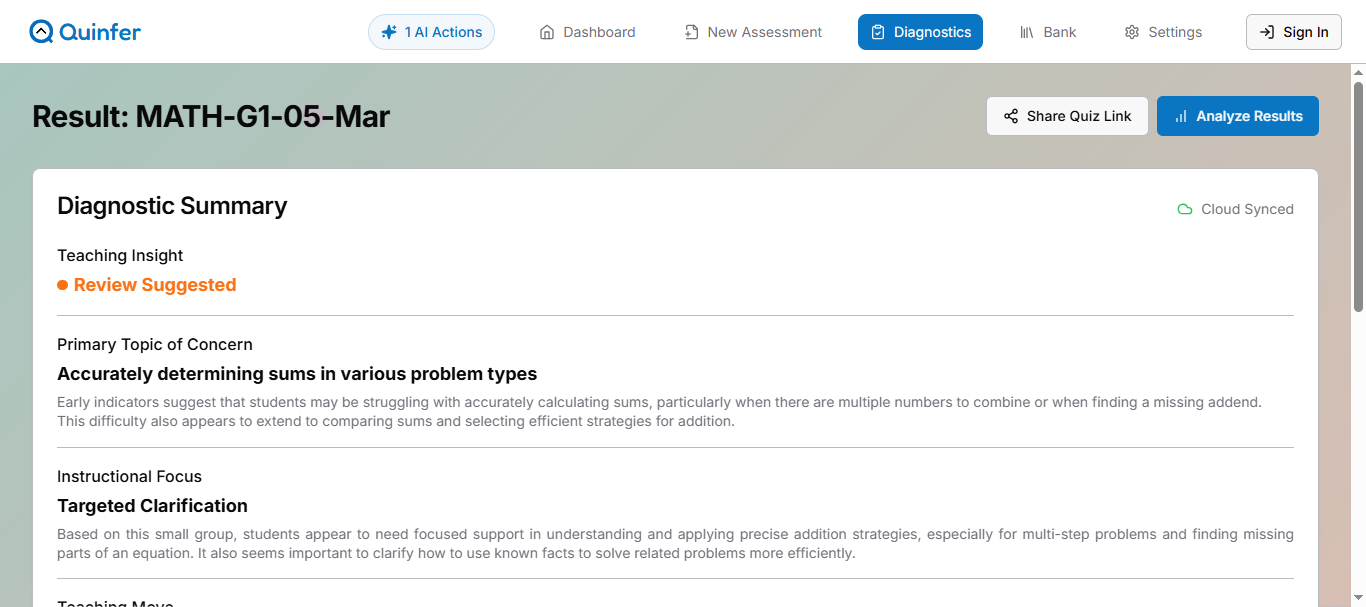
Diagnostic Summary
Cloud Synced

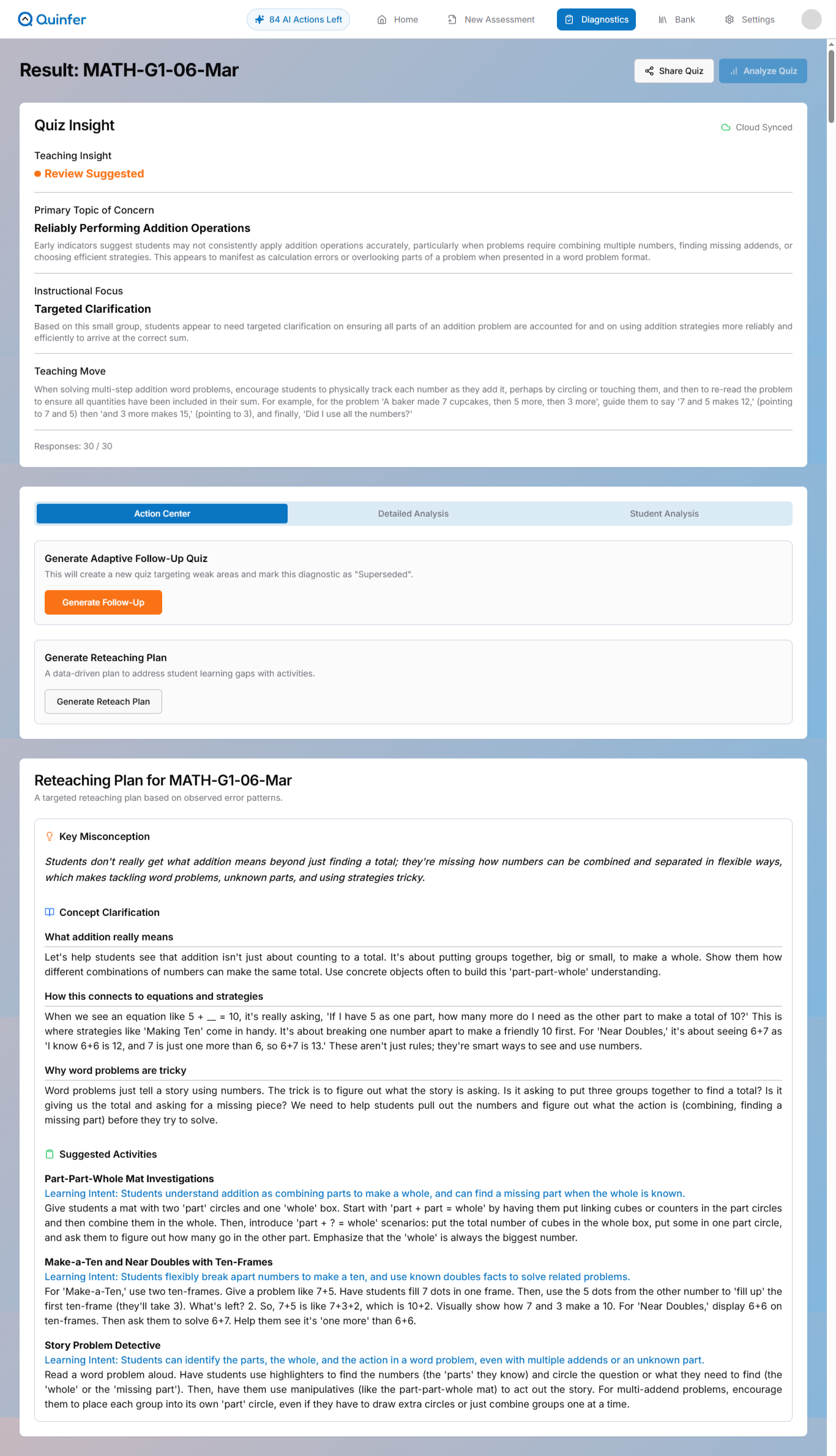
Teaching Insight

Review Suggested

Primary Topic of Concern

Interpreting mathematical language and problem structures

Early indicators suggest this student may struggle with fully processing all conditions or keywords within a problem. For example, they might misinterpret a required operation from a word problem, or misunderstand comparative language such as 'greater than' or 'not equal to'. This can lead to selecting an answer that addresses only part of the problem's criteria.

Instructional Focus

Targeted Clarification

Based on this small group, it appears beneficial to provide targeted clarification on how to carefully read and interpret the specific language used in mathematical problems, especially when identifying the correct operation or understanding comparative terms.

Teaching Move

Engage in explicit modeling and guided practice on dissecting problem language to ensure all parts are addressed. For example: "Let's use a 'detective' strategy for word problems. First, we'll circle all the numbers. Then, we'll underline the *action words* that tell us what to do, like 'more,' 'in total,' 'altogether,' 'not equal,' or 'greater than.' Then, we'll draw a box around the *question* itself. For example, in 'Which sum is NOT equal to 13?', we'd circle 13, underline 'NOT equal,' and box 'Which sum.' This helps us slow down and make sure we understand exactly what the problem is asking before we even start calculating."

Responses: 29 / 30

Data Confidence: High

Generate Adaptive Follow-Up Quiz

This will create a new quiz targeting weak areas and mark this diagnostic as "Superseded".

Generate Reteaching Plan

A data-driven plan to address student learning gaps with activities.

Reteaching Plan for MATH-G1-27-Jan
Draft Plan
A targeted reteaching plan based on observed error patterns.

Key Misconception

"Students don't really get what addition means – they see it more as just numbers and symbols on a page instead of physically putting groups together."

Concept Clarification

It looks like students are missing the foundational idea of addition. When they don't have that strong base, all the other addition tasks become really hard. It's clear we need to rebuild the foundation here, moving from concrete understanding up to the more abstract concepts.

What addition really means

Explain that addition is all about combining two or more groups of things to find out how many there are altogether. It's like bringing friends together for a party or putting toys into one basket. Emphasize that the 'total' or 'sum' is just how many you have once everything is combined.

How this connects to number sentences

Help students see that the plus sign (+) literally means 'and another group' or 'join together'. The equals sign (=) means 'is the same as' or 'ends up being'. So, 3 + 2 = 5 means 'three things joined with two other things is the same as five things altogether'. Always connect the numbers and symbols back to the action of combining.

Why word problems and tricky equations are tough

Focus on how understanding the core idea of 'combining' is key. If they don't picture the groups coming together, word problems just become random numbers. They won't know if they should add or subtract. And when it comes to finding equivalent expressions or adding three numbers, they need to really grasp that no matter how you arrange the groups, the total amount when combined is what matters. Without this base, it's just rote memorization, not real understanding.

Suggested Activities

'Show Me Addition' with Manipulatives

Learning Intent: Help students really grasp that addition means joining two groups to make a total.

Give each student a handful of two different colored counters (or blocks, unifix cubes). Say, "Show me 3 red counters. Now, show me 2 blue counters." Then, instruct them, "Put all the counters together. How many do you have now?" Connect this directly to the number sentence: "So, 3 and 2 makes 5. That's 3 + 2 = 5." Repeat with various small numbers, always starting with the physical combining first. Ask them to verbalize the 'combining' action.

'Addition Story Time' with Drawing

Learning Intent: Help students see how real-life stories can be turned into addition problems and equations.

Tell simple addition stories focusing on combining. For example: "There were 4 happy frogs sitting on a lily pad. Then, 3 more frogs hopped over to join them. How many frogs are on the lily pad now?" Have students draw the first group, then the second group, and then draw them all together in one big group. Then, write the number sentence (4 + 3 = 7) together, emphasizing how the drawing shows the combining action.

'Building Same Sums' with Ten Frames

Learning Intent: Help students understand that different combinations can make the same total (equivalent expressions) and build a foundation for comparing sums.

Use ten frames and counters. Show students a sum, like "5 + 3." Have them build it on a ten frame. Then ask, "How many do we have altogether? (8). Can you make 8 another way on your ten frame?" Encourage them to find different combinations (e.g., 4 + 4, 6 + 2, 7 + 1). This helps them explore that the 'total' is what matters, even if the starting groups are different, laying groundwork for equivalent expressions and comparing sums.

Focus on your students, not the data.

Let Quinfer handle the heavy lifting of content creation and error analysis.

AI Diagnostic Quiz Generation
Generate quick diagnostic quizzes aligned to standards in seconds.
Student Misconception Analysis
Identify common student misunderstandings and learning gaps instantly.
Targeted Reteaching Plans
Get follow-up activities and reteaching strategies based on student responses.

From diagnostic to action
in 3 simple steps.

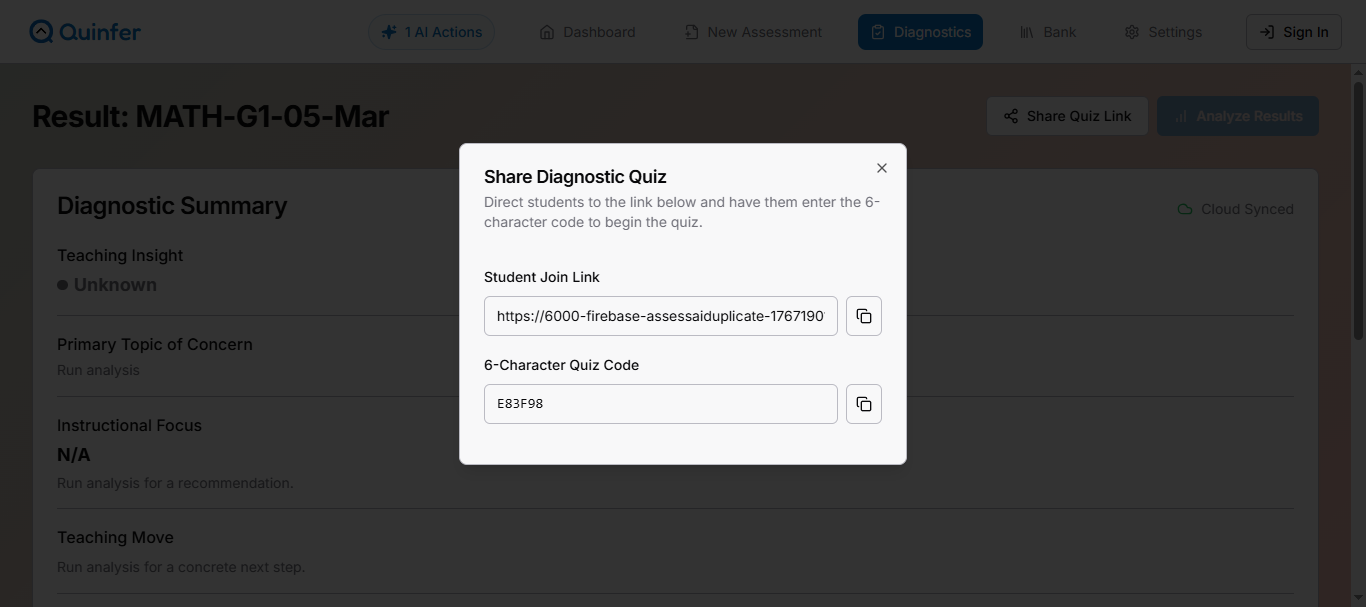
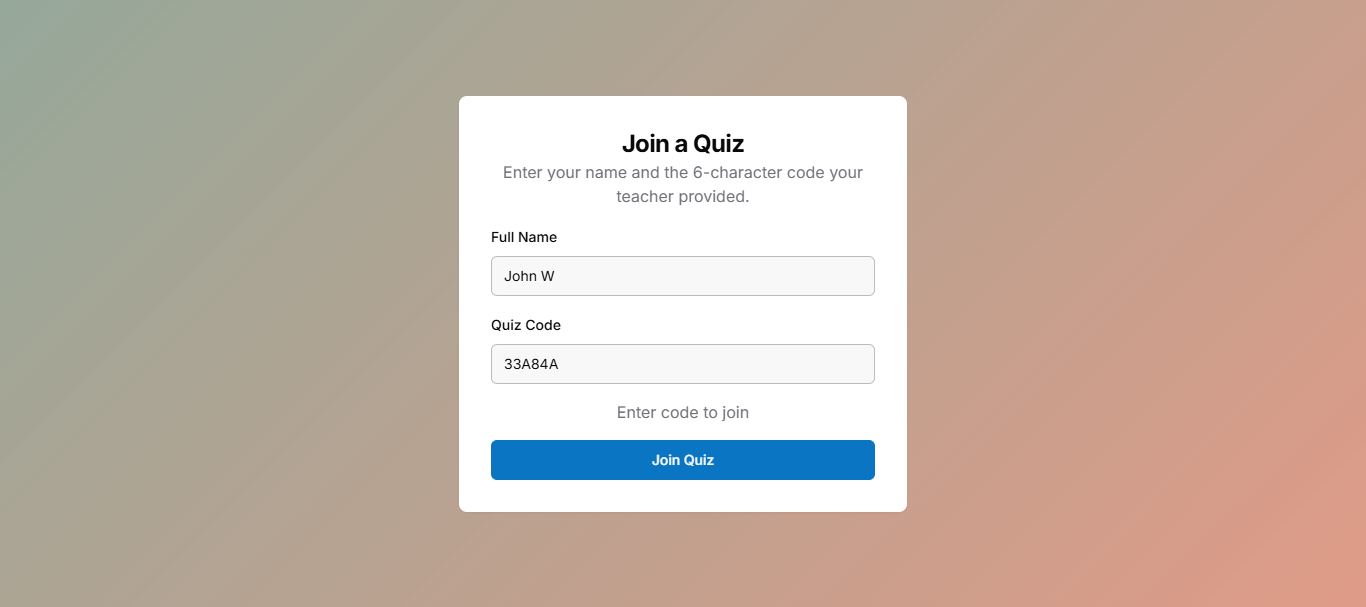
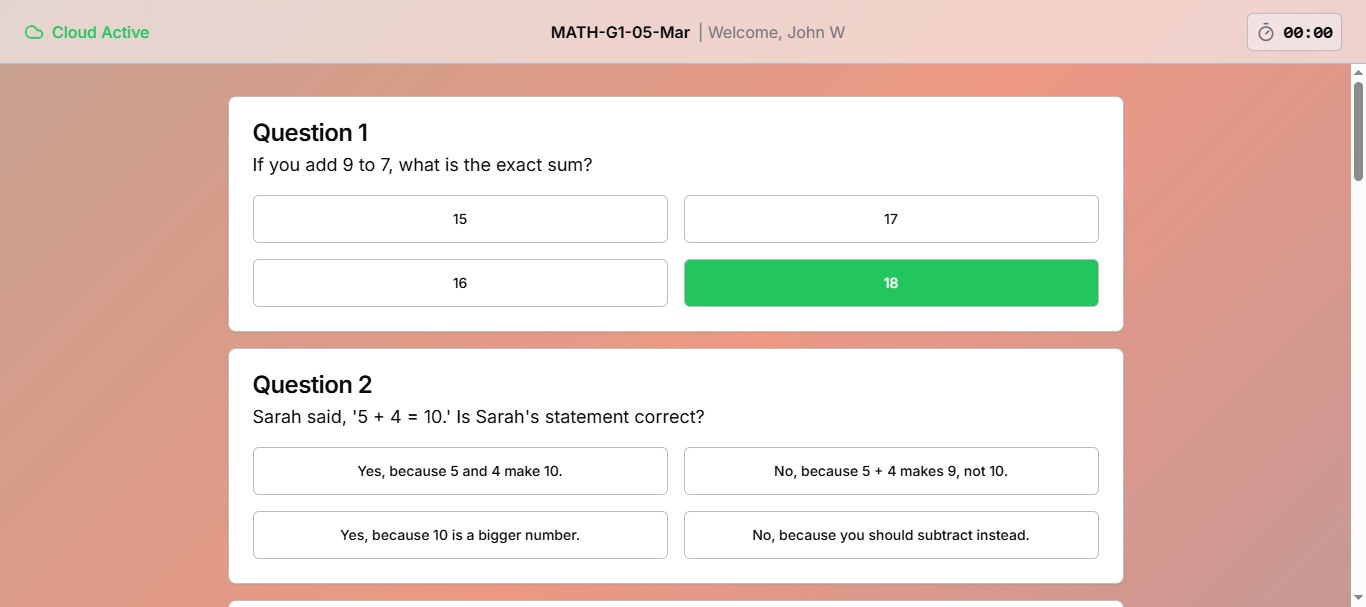
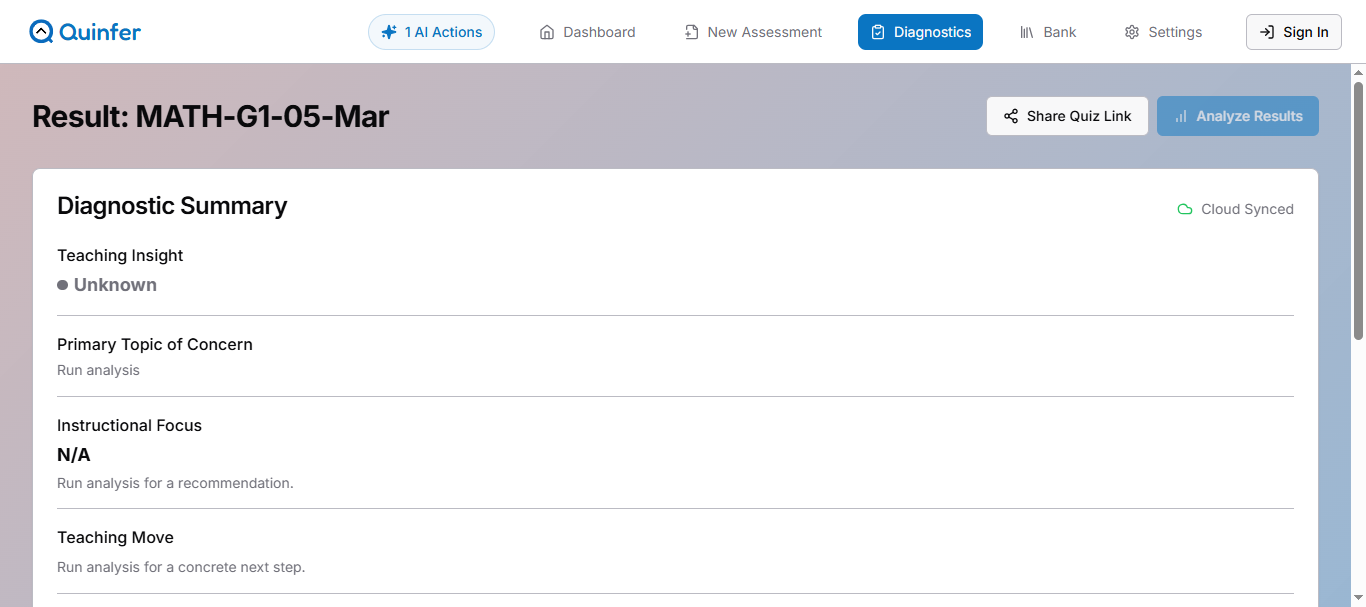
Demo step 1 screenshotDemo step 2 screenshotDemo step 3 screenshotDemo step 4 screenshotDemo step 5 screenshotDemo step 6 screenshot
1

Create & Share

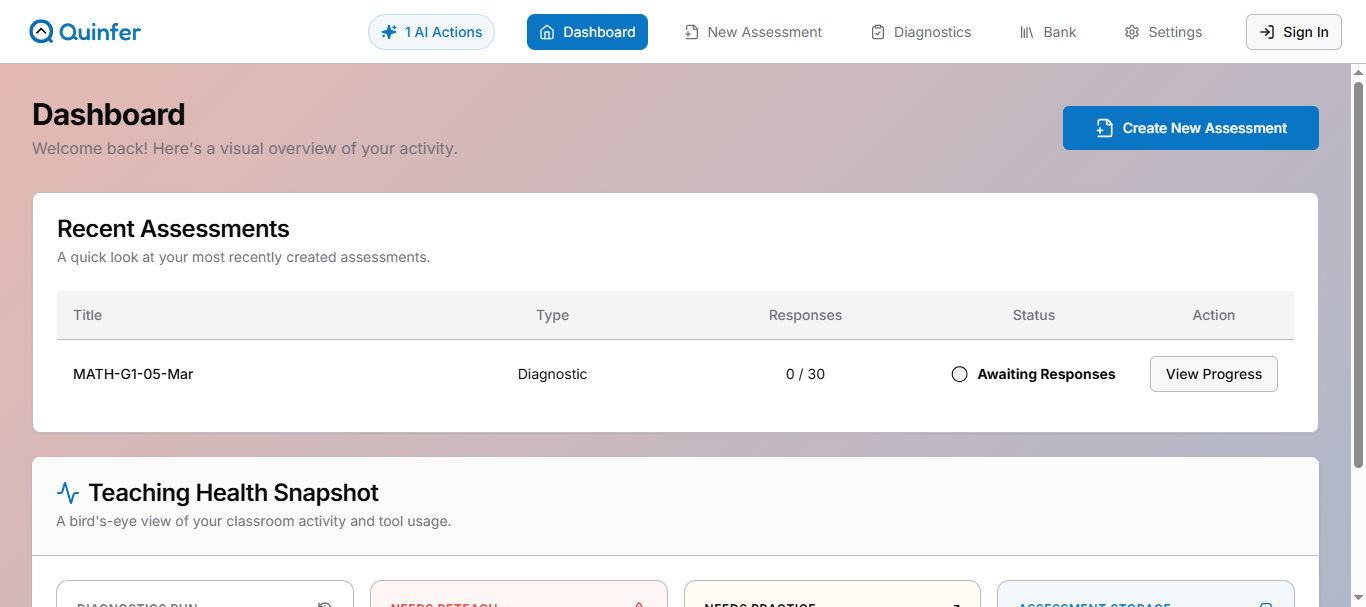
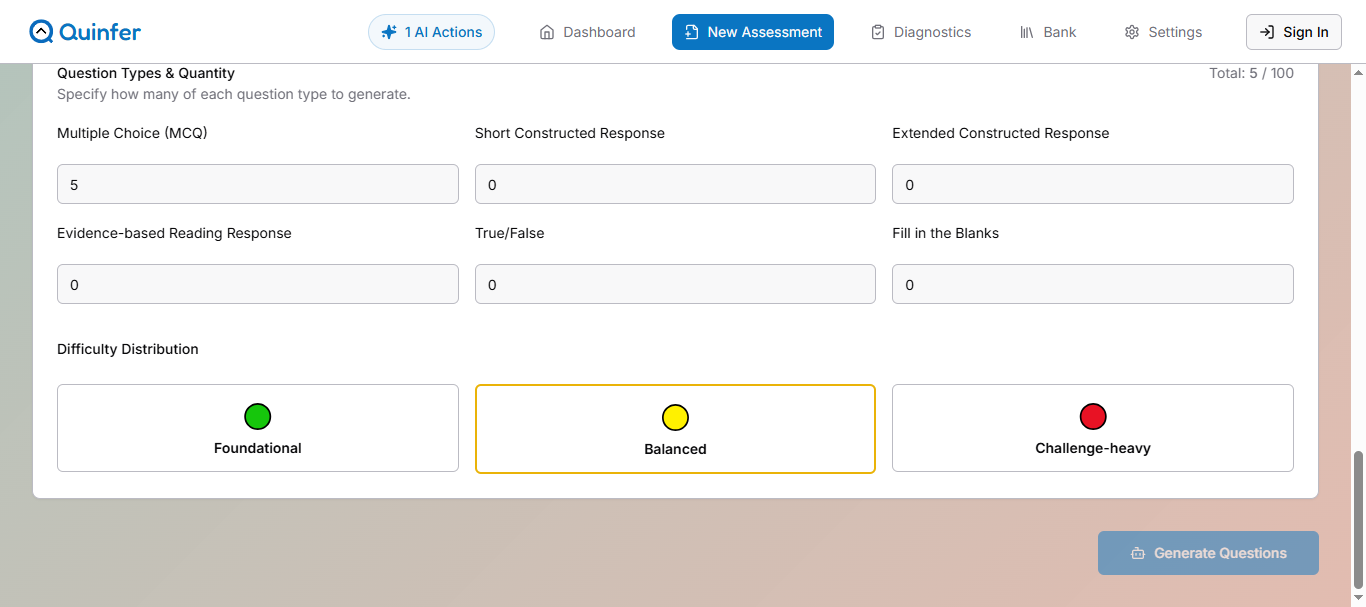
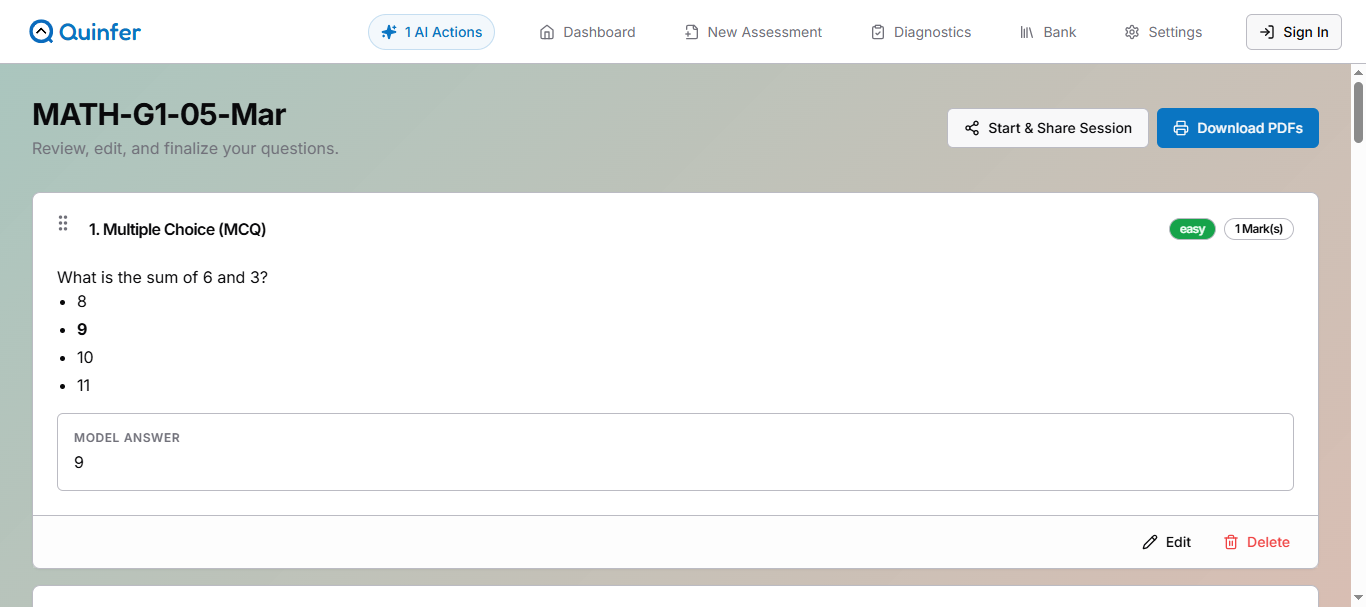
Generate a quiz using AI and share a join code. Students join instantly on any device.

2

Collect & Analyze

Watch responses arrive in real-time. Use AI to deep-dive into cognitive student errors.

3

Close the Gap

Review targeted recommendations and generate adaptive follow-up practice.

Simple pricing for educators

Join teachers using Quinfer to improve learning outcomes. No hidden fees.

Free
Designed to test value every day.
$0
4 AI Actions per day
1 Assessment Storage
Basic summary insights
Most Popular
Pro
Save 31% Annual
Advanced tools for active educators.
$12/moor $99/yr
Unlimited AI actions
100 Assessment Storage
Deep Question-Level Analysis
AI Follow-Up Quizzes
Targeted Reteaching Plans
Ad-free experience

Try your first AI diagnostic quiz.

Identify learning gaps in seconds and reclaim your teaching time.

Secure & Private

No credit card required